Showing posts with label shallot. Show all posts

Friday, 5 August 2011

Ugly but tasty....

There are many objects in this world that are not so pleasing on the eye but have a strange beauty about them, there could be people that fall into the same catagory.

Take for example the Gherkin building in London. To some people it's a blot on the landscape but to others it's a work of art and a thing of beauty. I have to say I fall into the latter.

One thing however I'm pretty sure everybody can agree on is that the humble Monkfish is truly truly ugly.......
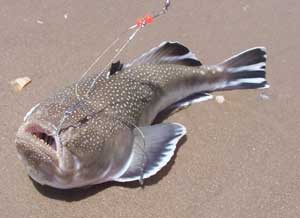


Check out this little critter


Ugly as it may be the one redeeming quality is has it that it tastes so damn good!

The tail is the edible part and it's texture can be likened to Lobster. Not so long ago this delicious flesh was used for Scampi, it was almost considered the offal of the sea but since it's been used by chefs worldwide it can now even command a higher price that it's shellfish peer.

Monkfish has a very firm texture, almost meaty. It's not as delicate as a flaky Cod which means that when cooking you can actually afford to give it a bit longer and it won't spoil the taste too much.

When cooking Cod I'll always try to make sure the flakes are just opaque rather than completely white but with Monkfish you can give it that little bit more but as with any fish over cooking is a cardinal sin. You can substitute Monkfish for Cod in the recipe I'm about to give and if you're not into fish you could even use Chicken.

Also I say "Buerre blanc" but it is in fact a variation on it which I made up to compliment this dish....it probably exists in some French cookery book and has an elaborate name.

Baked Monkfish fillet with butternut squash purée and buerre blanc

Serves Two

Ingredients -

2 x Monkfish fillets
2 x Slices of parma ham
1 x Finely chopped shallot
1/2 x Glass of white wine
60g x Unsalted butter, cut into cubes
5g x Finely chopped dill
8 x Chopped capers
1/2 x Dried bayleaf
1/2 x Butternut squash, cubed
1 x Pinch of ground clove
200g x Green beans, trimmed
Milk
Salt
Pepper


1. Put the cubed squash into a small saucepan along with the bayleaf, ground clove and half of the chopped shallot. Cover this with milk and bring to the boil over medium heat then reduce the temperature so it's a slows to a simmer.

2. In another pan cover the green beans with water and bring to the boil then again reduce the heat and simmer until tender.

3. Meanwhile heat the oven to around 140C then take the Monkfish fillets and wrap them in the parma ham. Place these on a non stick baking tray and once the oven is at temperature cook for 10 minutes.

4. Take the cooked butternut squash from the saucepan and put into a blender. Whizz it up to form a smooth purée using a little of the heated milk to loosen up if needed. Transfer the puree to a squeezable bottle setting it aside until ready to serve.

5. Fry the remaining shallots in a pan with one cube of butter, let these go soft before pouring in the white wine. Boil the contents until it's reduced by half then remove from the heat. Add in the dill and capers then all but one of the remaining butter cubes. Whisk continuously until the butter has completely melted and emulsified into the sauce. Set aside.

6. Onto the centre of a round plate squeeze a zig zag of the purée. On top of this lay the green beans, squeeze a little more of the purée in a line across the centre of the beans then top with the Monkfish fillet.

7. To finish the buerre blanc whisk in the final butter cube to firm up the sauce then drizzle over the Monkfish. Finish the dish by squeezing increasing blobs of purée on the side of the plate.

Tooodlepip xx....

Tuesday, 1 February 2011

Bass..how low can you go?


I think it's time to talk a little food, not done that for a while and really it was the reason why I started the blog in the first plaice so lets reel it in and get back to basics.

(The fishy related puns in that opening paragraph are purely unin'tench'ional............sorry I just can't stop it now)

So last night after having the daytime urge to cook some Sea Bass I rustled up a rather yummy taste sensation even if I do say so myself, easily worthy of any top restaurant table.

The fish itself is in season so you'd expect it to be at it's best and also at it's best price however I think Waitrose don't seen to get this concept meaning I had to pay around £9.00 for 4 rather skinny fillets, that said they were very fresh. If you want to give this dish a go then 2 fillets per person will make a decent sized main course.

First up I made a little Fennel salad which I wanted to use as the base of the dish. Fennel and Fish go so well together in fact since discovering this food partnership when I was in Italy I can't remember ever cooking fish without fennel.


Take a fennel bulb and trim off the root end and the hollow stems removing any grubby or discoloured outer leaves then thinly slice them lengthways before tipping into a salad bowl.

To this add half a shallot again thinly sliced lengthways, I prefer to use the long banana (enchalon) shallots for this as the shape compliments the shape of the sliced fennel but you can use normal shallots or even 1/4 of red onion.


Finely chop a bunch of flat leaf parsley adding this to the bowl then dress the whole lot with extra virgin olive oil, a pinch of salt (sea salt preferably) and a good grind of black pepper. Set the bowl aside to let the flavours combine.

There are a lot of raw flavours in that salad which I thought might over power the main dish so to soften them up a little I made a basic cherry tomato sauce which I poured over the salad whilst still warm. The residual heat from the tomato sauce is just enough to take the raw edge off the other ingredients.

For this sauce I got some cherry tomatoes and a small finely chopped clove of garlic. these all go into a saucepan over a medium heat and you cook them until the tomatoes start to break up. Once this starts happening add in a glug of Balsamic vinegar and about a tablespoon of caster sugar and let this bubble away for a few minutes until the sauce itself has thickened up a little.

Adding the sugar balances out the acidity that you get from the tomatoes and the balsamic vinegar. Don't be scared about using sugar in these types of sauces because once you find the right balance it makes all the difference to the finished sauce.

Pour the warm tomato sauce over the fennel salad and you can give it a good mix and then just leave to one side until serving.

Next the Sea Bass. Before you pan fry these off it's a good idea just to have the oven warm, pretty much as low as your oven will go so that once cooked they can sit in there to keep warm before plating up. The fillets themselves will only take a minute or two to cook and they are so simple.

When pan frying any fish I always give them a dusting of seasoned plain flour as this gives the outer flesh and skin a nice crispy texture when cooked, its the simple details like this that make the difference.

Get a frying pan nice and hot and add in fairly small amount of oil, about 2 or 3 tablespoons, this should be a shallow and certainly not a deep fry. Try to avoid using extra virgin olive oil for this part as you should keep that reserved for salad dressings etc, it's not going to ruin the dish if you do use it but something less aromatic for this purpose is ideal. I've recently been introduced to rapeseed oil. It's virtually flavourless and light in texture which means it's perfect for delicate flavours such as fish.

I'd recommend doing one fillet at a time firstly because you don't want to overcrowd the pan as this will make it lose heat and secondly because the fillets will start to curl up as soon as you put them into the oil and you need to be ready to push them flat to the pan and that can be tricky with two or three at once.

Take your seasoned fillet and lay in the pan skin side down. Watch how the fillet will start to curl upwards as the skin contracts. As this start happening just take a fish slice or spatula and lightly push the fillet back down against the base of the pan, hold it the for about 10 seconds, by then the skin would have started to crisp up and the fillet will hold it's shape.

After about 30/40 seconds flip the fillet over to get a bit of colour on the flesh side, maybe another 30/40 seconds then remove to an oven tray. Repeat this for all the fillets. Keep an eye on the oil though because with the seasoned flour being added to the hot oil it may start to burn and go black. If this happens just give the pan a wipe with some kitchen towel (without burning your fingers) and add some clean oil.

Once all the fillets are fried off and in another dish then let them sit in your warm oven until ready.

The final part which I think makes this dish a bit special is the addition of some chorizo. Again this is a classic flavour combination and is used extensively in Spain and the nowadays seeing fish and chorizo on the menu at top restaurants is very common. Perhaps a little more is the addition of goats cheese to the chorizo. I've stolen this little gem off Glynn Purnell who is one of my favourite chefs.....I'm sure he won't mind at all :-)

Take about 50g or Chorizo per person, remove the tough skin and dice the sausage into about 1cm cubes. Throw this into a hot frying pan and let it crisp up. As it's cooking you notice the beautiful smokey flavoured, paprika infused oil that seeps out of the sausage, again don't be concerned by this, yes it's a little naughty but the taste is phenomenal and well worth those few extra calories.

When the chorizo cubes look like they are crisping up take some of the goats cheese and crumble it into the pan, you don't need much, perhaps a thumb sized amount, it'll all melt together with the oil and make a wonderfully rich sauce.

All that's left to do now is to plate it up. Take some of the fennel salad and put in in the centre of the plate. On top of this place your two Sea Bass fillets then spoon over some of the chorizo cubes along with some of the sauce an dthere you have a rather wonderful dish that I'm sure will impress your friends and family alike.

Try it...you'll love it and it's easy peasy.

Toodlepip xxx

Monday, 9 August 2010

Missed out the Souffles....

WOW how did a manage to completely forget to blog about my lovely Goats Cheese Soufflés that I made for the Sunday lunch starter?

They were a triumph too.......


These actually rose more than this but I was faffing around trying to get my camera to work so they deflated a little bit.

People often assume that it's difficult to make soufflés but it's really quite easy and you shouldn't be put off giving them a go.

I made these for 4 people and for that you need -

4 x Ramekins (picture link because not everybody knows what a Ramekin looks like)
5 x Medium sized Fresh Free range eggs - separate these into whites and yolks
1 x Block of hard goats cheese - Grated. You'll use about 200g in the recipe. Also this is just my preference but you could use a less hard cheese, or any other cheese for that matter and crumble it in.
1 x Small white onion or Eschalon/Banana shallot
4 x Cloves
1 x Bayleaf
1 tsp x Black Peppercorns
Unsalted Butter
400ml x Full fat milk
1 tbsp x Plain Flour

First thing you should do is grease the inside of the ramekins with a thin coating of the unsalted butter then leave then in the fridge until they are ready to be used.

This greasing will help the Soufflé rise up the sides of the ramekin without getting stuck.

Secondly you should pre-heat an oven to around 190C/375F and have a tray ready that can hold all the ramekins and still have a bit of room to spare. This will really help when it comes to getting them out the oven.

Next take the onion and stud it with the cloves, just push the woody stalk into the onion leaving the bulbous end on the outside. There is no need to peel the onion but it might be a good idea to just remove any loose bits of the skin.

Pour the milk into a saucepan add the studded onion, a teaspoon of Black Peppercorns and the Bayleaf, bring the milk up to boiling point. Once there take off the heat and leave for about 10 minutes so the flavours of the added ingredients can infuse the milk a little more before straining the liquid through a fine sieve to remove the onion, peppercorns and Bayleaf. Keep the milk to one side for the moment.

Give the same saucepan a clean then put over a light/moderate heat and add 1 tablespoon of butter, let it melt then add 1 tablespoon of plain flour. Let this mixture combine, this is called a "Roux". The longer you cook a Roux the more the colour will change from white to brown. For this recipe we want to keep it fairly light in colour so once it's combined slowly and gradually pour in the infused milk making sure you stir it all the time with a wooden spoon to stop any lumps forming.

Now whisk egg yolks and while constantly stirring the saucepan of warm milk trickle the yolks in a little at a time. It's really important not to just pour all the egg yolk in at once and also just as important that you stir it all the time because otherwise you'll end up with scrambled eggs and that would mean starting all over again.

Once all the egg yolks are mixed in then add the grated cheese in too, again a little at a time and keep stirring, you can save a little bit of the cheese to top off the soufflés when cooking but it's not essential, just a nice touch.

This cheese sauce is what is going to give the soufflés their flavour, you could also use it as a sauce for pasta.

Give yourself a 10 minute break to allow the sauce to cool a bit because there's some energetic whisking to come......

The lightness and the raising of the soufflé is all about the egg whites and the amount of air you can get into them.

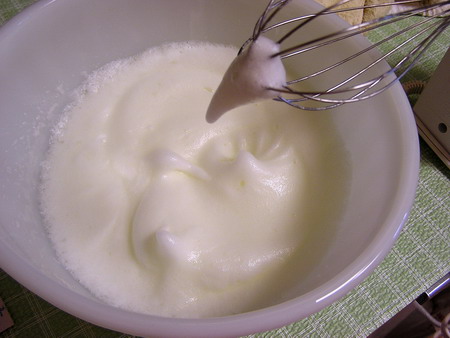
Put the egg whites into a mixing bowl and with a balloon whisk keep working the egg whites until the reach the soft peak stage

Now what you need to do it combine the sauce mixture with the egg whites but as I mentioned above it's all about the air so if you were to just pour all the sauce into the egg whites a give it a stir with a wooden spoon you'd just beat out all the air bubbles that have been created by the whisking.

What you should do is again add a bit at a time and instead of stirring the mixture you need to fold it in gently. It'll take longer to fully combine but it's absolutely necessary for the soufflés to rise.

Take the ramekins from the fridge and gently spoon the combined egg white and cheese mixture into each one so it's level with the ridge inside (usually about 80% full) and sprinkle on a light coating of the reserved grated Goats Cheese.

Put the ramekins on the oven tray and into the oven for about 12 minutes. During cooking do not under any circumstances open the oven door, this will instantly deflate the soufflés. If you really feel the need to see them cook then only look at them through the glass front of the closed oven door using the ovens internal light if it has one. If your oven has neither of these then just trust me on the temperature and the timings.

After they have cooked serve them immediately. About 1 minute after taking from the oven they will naturally start deflating so getting them on the table as soon as you can is imperative. No faffing like I did for the photo......

Once you have made one soufflé you can make them forever and of course with different variations too.

This is a savoury soufflé but you can make sweet ones just the same way but instead of using the egg yolks to thicken the sauce you use sugar which you beat into the egg whites when whisking and instead of the savoury sauce you can use fruits and/or berries that you've made into a syrup.

A nice touch when making sweet soufflés is to add a think coat of sugar to the butter when you grease the ramekins.